
Back to news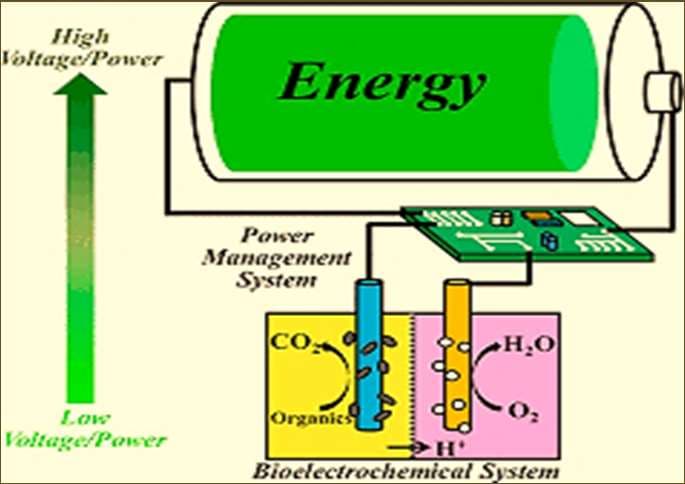
July 20, 2026 Professor Pierre Tsafack
LEEC demonstrates energy harvesting from waste and water networks
Microbial fuel cells powered an LED from cow dung while a micro-hydro prototype recovered energy from the Buea water distribution network, a promising step for off-grid communities.
LEEC researchers demonstrated two viable low-power energy harvesting solutions that can bring electricity to off-grid communities while reducing reliance on polluting energy sources.
In the first approach, microbial fuel cells (MFC) convert the chemical energy of organic matter into electricity using microorganisms. Experimental results show cow dung produced 353 mW/m² compared to 118.3 mW/m² for human faeces under identical conditions. Stacking six MFCs with cow dung powered an LED through a power management system storing energy in a battery.
The second approach harvests the energy wasted in water distribution networks. The Buea network presents 18 potential sites dissipating approximately 976.21 MWh per year. A laboratory prototype turbine recovered up to 192 mW at a mass flow rate of 2.6 kg/s and an optimal load resistance of 106 Ω.
Tags
researchenergy-harvestingmicrobial-fuel-cellmicro-hydro