
Publications
Research outputs from our laboratory.
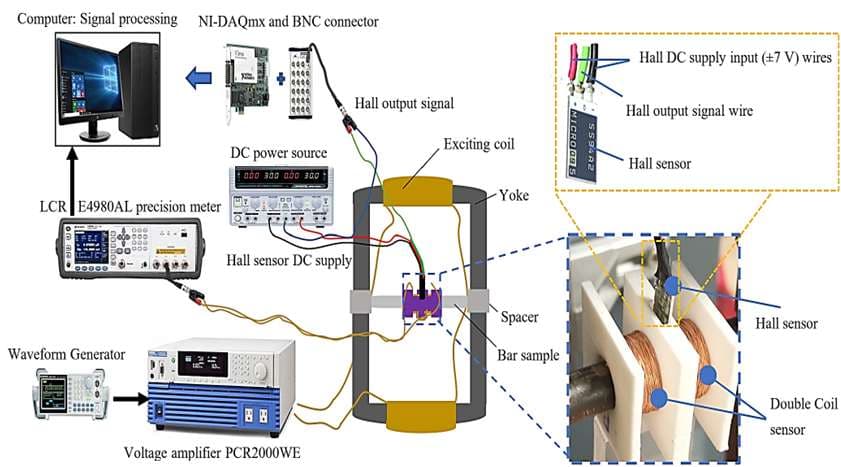
Magnetization mechanisms for the non-destructive evaluation of early-stage thermal oxidation (corrosion) in low-carbon steels
Low-carbon steel undergoes corrosion during its service life, bringing about failures and substantial financial losses. Magnetic non-destructive testing techniques are used to assess changes occurring on the surface and subsurface when subjected to highly corrosive environments. In this work, magnetic responses including the magnetic hysteresis cycle (MHC), Magnetic Barkhausen Noise (MBN) and Magnetic Incremental Permeability (MIP) are measured at the early stage of corrosion to identify the technique and indicators with the most distinguishable response to changes in steel properties. The most responsive indicators are established through linear Pearson correlation coefficients comparing them with weight change and corrosion destructive observations.
· 2026

Harvesting Wasted Energy in Water Distribution Network in Buea-Cameroon
Pressures are dissipated in break pressure tanks and pressure reducing valves of the Buea water distribution network, resulting in significant energy losses. The network presents 18 potential sites with a total of approximately 976.21 MWh dissipated per year. A laboratory micro-hydro turbine prototype recovers this energy; measured output reached 192 mW at 2.6 kg/s mass flow rate and 106 Ω optimal load resistance, demonstrating the feasibility of micro hydropower harvesting from the network.
· 2026
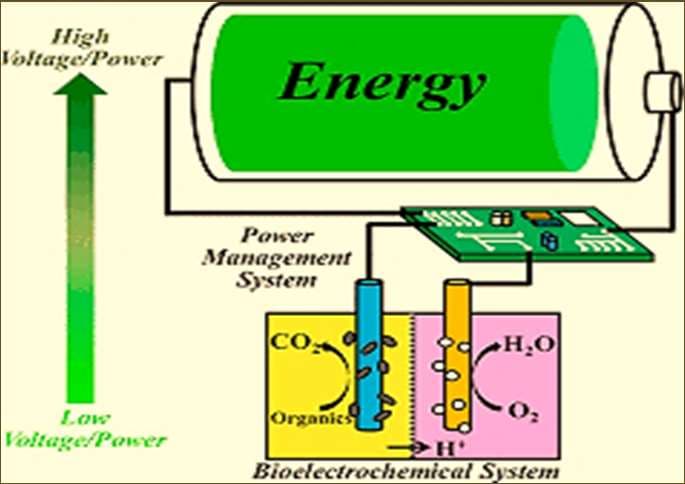
Energy Harvesting from Organic Wastes for Electricity Generation
A Microbial Fuel Cell (MFC) converts the chemical energy of organic matter into electrical energy using microorganisms, while simultaneously treating wastes. Comparative experiments show cow dung produced 353 mW/m² of energy versus 118.3 mW/m² for human faeces under identical operating conditions. Stacking six MFCs charged with cow dung powered an LED through a power management system that stores energy in a battery for efficient use. Beyond powering low-power devices, MFCs provide wastewater treatment, hydrogen and bio-fertilizer production.
· 2026
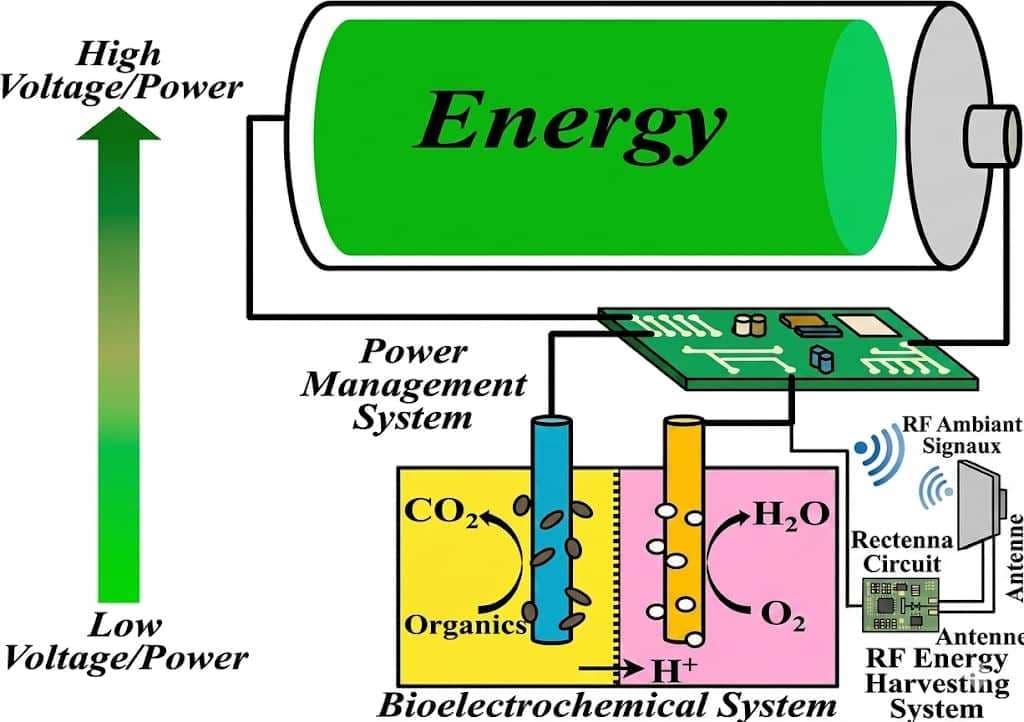
Energy Harvesting from RF and Organic Wastes for Electricity Generation
Two autonomous solutions improve access to electricity for basic commodities including lighting, security and communications while reducing reliance on polluting energy sources: Ambient Radio Frequency (RF) energy harvesting on PLA polymer and Microbial Fuel Cells (MFC) from diverse organic waste. Both systems were demonstrated as functional autonomous power sources for low-power devices. MFCs provide waste management and resource production (hydrogen, bio-fertilizers), while RF systems offer emergency power backup capabilities.
· 2026
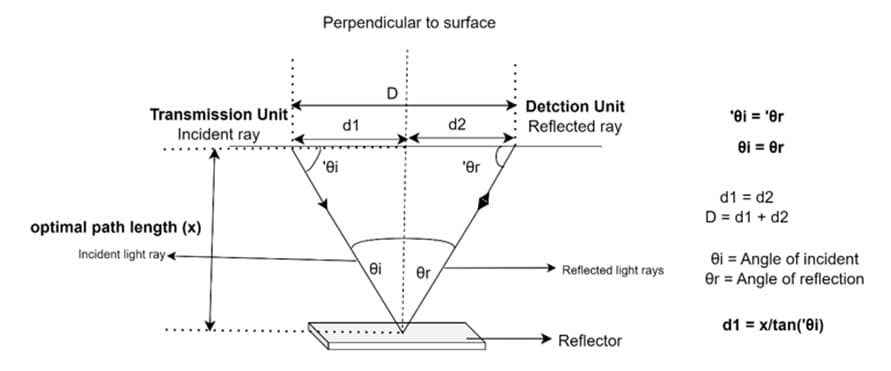
Smart Agriculture: Sensor Node for Soil Classification & Pesticide Level Monitoring
With 3.9 million Cameroonians facing acute food insecurity, a low-cost sensor node was developed for soil classification and pesticide level monitoring in crops. Optical sensing using infrared, red and blue LEDs with a photodiode achieves optimal performance at a 60° sensor angle and 2–2.4 cm measuring distance. The node supports soil nutrient monitoring (N, P, K) and crop safety assessment for sustainable agricultural research.
· 2026
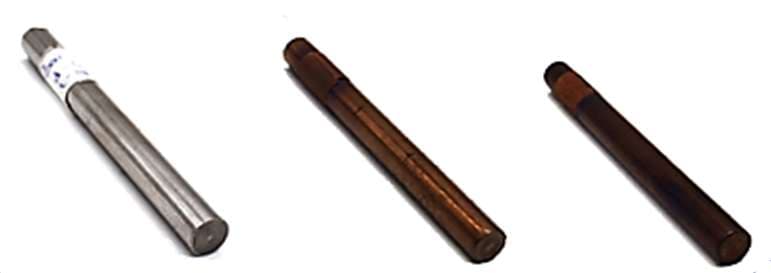
Material Characterization and Electromagnetic Non-destructive Testing and Evaluation
<p><strong>Printed Magnetic Needle Probe (PMNP)</strong> for the internal characterization of laminated magnetic cores. The miniaturized spatial flux-free magnetic needle sensor enables embedded magnetic measurement (< 200 µm) and local hysteresis cycle characterization, supporting accurate simulation of electromagnetic devices and prediction of their performance. Applications include eddy current testing, magnetic needle probe (MNP), magnetic incremental permeability (MIP) and magnetic Barkhausen noise (MBN) methods for piping, aeronautics and electrical machinery.</p>
LEEC Open Day · 2026